Home ›
Guides › Supplements for Healthy Blood Sugar
Supplements for Healthy Blood Sugar: What the Evidence Says
By the KissMyAbsClub Editorial Team
•Health Is Power Foundation
•Fact-checked against cited sources · July 2026
Curious about your own blood sugar habits? Take our free 2-minute quiz for a plain-English learning plan.
Take the free quiz →
The short version:
- "Blood sugar supplements" are dietary supplements, not medicines — and not a treatment for diabetes or prediabetes.
- For most of them (berberine, cinnamon, chromium, magnesium), the evidence is limited, mixed, or early.
- Several can interact with medications, including drugs that affect blood sugar — a real reason to check with a professional first.
- The best-evidenced levers are everyday habits: fibre, whole foods, movement, sleep. This page is general education, not medical advice.
Search "blood sugar support" and you'll find a crowded, confident market: berberine, cinnamon, chromium, magnesium, and dozens of blends promising steady energy and balanced glucose. It's worth slowing down. This is a calm, neutral look at what the research does and doesn't show about the supplements marketed for blood sugar — strictly as general wellness education, not as advice to take anything, and firmly not as a substitute for medical care.
First, the category — and the caveat
Almost everything sold "for blood sugar" over the counter is a dietary supplement, not an approved medicine. That distinction matters: supplements aren't held to the same testing, dosing, and manufacturing standards as prescription drugs, and their labelled contents can vary between brands.1 So a product that's described as working "like" a medication is being framed generously — a supplement is not a tested, prescribed treatment, and nothing here should be read as encouragement to treat a medical condition with one.
What the commonly marketed ingredients actually show
Here's the honest state of play for the names you'll see most, kept general:
- Berberine. A plant compound with genuine research interest; some small, mixed-quality studies associate it with changes in blood sugar markers, but the evidence is limited and it is not a treatment. It also carries real medication-interaction concerns. We cover it in depth in berberine and blood sugar.
- Cinnamon. Widely studied and widely inconclusive — reviews tend to find small, inconsistent effects, and authorities don't recommend it as a way to manage blood sugar.2
- Chromium. Popular in "glucose support" blends, but the evidence for a meaningful benefit in people who aren't deficient is weak and mixed.
- Magnesium. Important for general health, and low levels are linked with metabolic issues — but that's not the same as a supplement reliably improving blood sugar in everyone.
- Fibre (e.g. psyllium). The least controversial of the group, because higher fibre intake is broadly beneficial — though "eat more fibre-rich food" is different from "buy a fibre supplement". More on that in foods that support healthy blood sugar.
The through-line: interesting in places, settled almost nowhere. Responsible summaries stop well short of calling any of these a treatment, and so do we.
These supplements are not a diabetes treatment
This is the most important paragraph on the page. Supplements marketed for blood sugar are not a treatment for diabetes or prediabetes, and nothing here should be read as encouragement to use them in place of medical care. Diabetes is a serious condition that needs proper diagnosis, monitoring, and management by a qualified clinician. Swapping prescribed care for a supplement — or adding one without telling your care team — can be genuinely risky. If you have concerns about your blood sugar, the right next step is a conversation with a healthcare professional, not a purchase.
Want to understand your everyday habits first? Take our free 2-minute quiz to see how your routine relates to blood sugar and get a plain-English learning plan.
The interaction issue — the big one
If you take any medication, this is where a pharmacist or doctor earns their keep. Some blood-sugar supplements can interact with medicines, and those interactions can matter — combining a supplement with drugs that already affect blood sugar could, in theory, push levels lower than intended, and some ingredients may affect how other medications are processed.1 If you take any prescription — for blood sugar, blood pressure, blood thinning, or anything else — do not start a blood sugar supplement without first checking with a professional who can review your full medication list. This isn't a decision to make from a product page.
The better-evidenced place to start
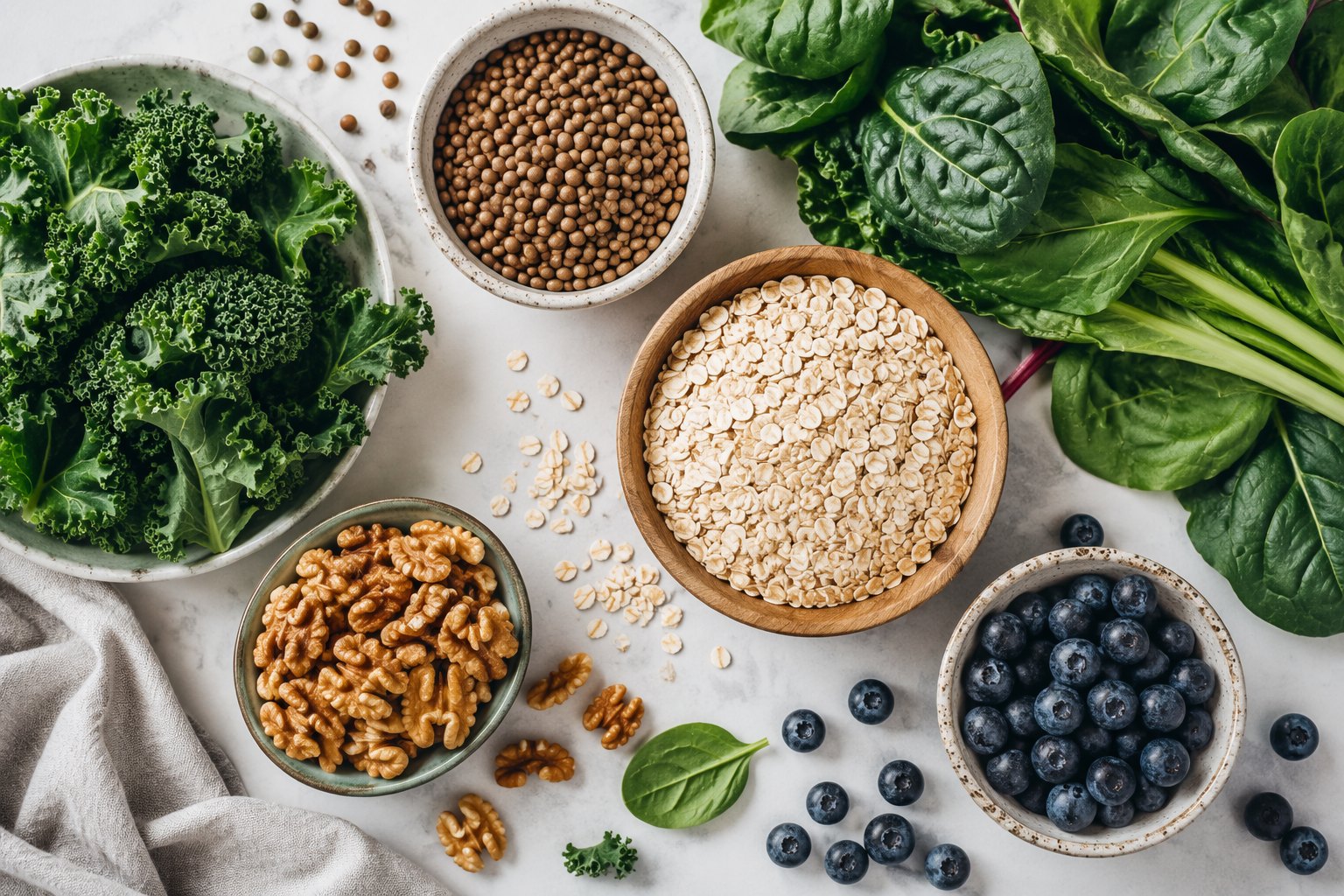
If your underlying interest is supporting steady blood sugar as part of general healthy living, the least controversial, best-supported levers are the everyday ones: an overall eating pattern rich in fibre and whole foods, regular movement, decent sleep, and managing stress.3 We cover the food side in foods that support healthy blood sugar, the gut angle in how your gut affects blood sugar, and the everyday craving-and-energy patterns in how to stop sugar cravings and why you crash after lunch. None of these is a treatment either — but as general habits they carry far less uncertainty, and far less cost, than any bottle.
A calm word on expectations
The supplements marketed for blood sugar are legitimate subjects of research, not miracles and not menaces. What they clearly are not is a proven, do-it-yourself replacement for medical care. If you're weighing one up, treat that curiosity as a good reason to talk with a clinician who knows your history, your medications, and your goals — someone who can give you advice tailored to you rather than a generic verdict from a search result.
Reviewed by the Health Is Power Foundation editorial team.
We check each article against authoritative sources before publishing and update it as the evidence changes. Last reviewed July 2026.
Frequently asked questions
- Do blood sugar supplements actually work?
- For most, the evidence is limited, mixed, or early. Some ingredients are associated with small changes in blood sugar markers in studies, but an association isn't a proven effect, and none is established as a treatment. The best-evidenced levers are everyday habits — diet, fibre, movement, sleep. Talk to a doctor before trying any supplement.
- What's the safest natural way to support healthy blood sugar?
- Lifestyle: an eating pattern rich in fibre and whole foods, regular activity, adequate sleep, and managing stress. These carry far less uncertainty than any supplement and support overall health too. This is general education, not medical advice — anyone concerned about their blood sugar should see a clinician.
- Can I take blood sugar supplements with my medication?
- Not without checking first. Some supplements can interact with medications, including drugs that affect blood sugar, and combining them could push levels lower than intended. If you take any prescription, talk to a pharmacist or doctor before starting one.
References
- National Center for Complementary and Integrative Health (NIH). "Diabetes and Dietary Supplements." nccih.nih.gov
- NHS. "Type 2 diabetes — Food and keeping active." nhs.uk
- Harvard T.H. Chan School of Public Health, The Nutrition Source. "Carbohydrates and Blood Sugar." nutritionsource.hsph.harvard.edu
Medical disclaimer: This article is for general education only and is not medical advice, diagnosis, or treatment. It is not intended to diagnose, treat, cure, or prevent diabetes or any other disease, and statements about supplements have not been evaluated by the FDA. Do not start, stop, or change any supplement or medication without first consulting a qualified healthcare professional, especially if you have a medical condition, take medication, are pregnant or breastfeeding, or have persistent symptoms.
Curious how your habits relate to blood sugar? Take the 2-minute quiz →
