Berberine has become a wellness-world talking point, sometimes described online in dramatic terms it doesn't deserve. So let's be calm and clear. Berberine is a bitter, yellow compound found naturally in plants such as barberry, goldenseal, and Oregon grape, and it has been used in traditional practices for centuries. Today it's sold as an over-the-counter dietary supplement. This article looks neutrally at what the research does and doesn't show about berberine and blood sugar — strictly as general wellness education, not as advice to take anything.
It helps to be precise about categories. In most countries, including the United States, berberine is regulated as a dietary supplement rather than as an approved medicine.1 That distinction matters: supplements are not held to the same testing, dosing, and manufacturing standards as prescription drugs, and their labelled contents can vary between brands. So when you read that berberine "acts like" a certain medication, that framing is doing a lot of work — a supplement is not a substitute for a properly tested and prescribed treatment.
There is genuine scientific interest here. A number of small trials and reviews have examined berberine's relationship with blood sugar and related markers, and some report that berberine is associated with measurable changes.2 That sounds promising, but the details call for caution:
In short: the research is interesting and ongoing, not settled. Responsible summaries of the evidence stop well short of calling berberine a treatment for high blood sugar or diabetes, and so do we.
This is the most important sentence on the page. Berberine is not a treatment for diabetes or prediabetes, and nothing here should be read as encouragement to use it in place of medical care. Diabetes is a serious condition that needs proper diagnosis, monitoring, and management by a qualified clinician. Swapping prescribed care for a supplement — or adding a supplement without telling your care team — can be genuinely risky. If you have concerns about your blood sugar, the right next step is a conversation with a healthcare professional, not a purchase.
Berberine is not free of downsides. The most commonly reported issues are digestive — cramping, diarrhoea, constipation, and stomach upset — which is one reason people often stop taking it.1 Because supplement quality isn't tightly regulated, the actual amount and purity of berberine in a product can differ from what the label claims. Berberine is generally not recommended during pregnancy or breastfeeding, and it shouldn't be given to infants. None of this is meant to alarm you; the point is simply that "natural" does not automatically mean "harmless," and a supplement deserves the same scrutiny you'd give any other product you swallow daily.
Here's where a doctor or pharmacist really earns their keep. Berberine can interact with a range of medications, and those interactions can matter. For example, combining berberine with drugs that already affect blood sugar could, in theory, push levels lower than intended; it may also interact with medicines processed by the same liver pathways, potentially changing how those drugs work.2 If you take any prescription medication — for blood sugar, blood pressure, blood thinning, or anything else — do not start berberine without first checking with a pharmacist or physician who can review your full medication list. This is exactly the kind of decision that shouldn't be made from a social-media clip.
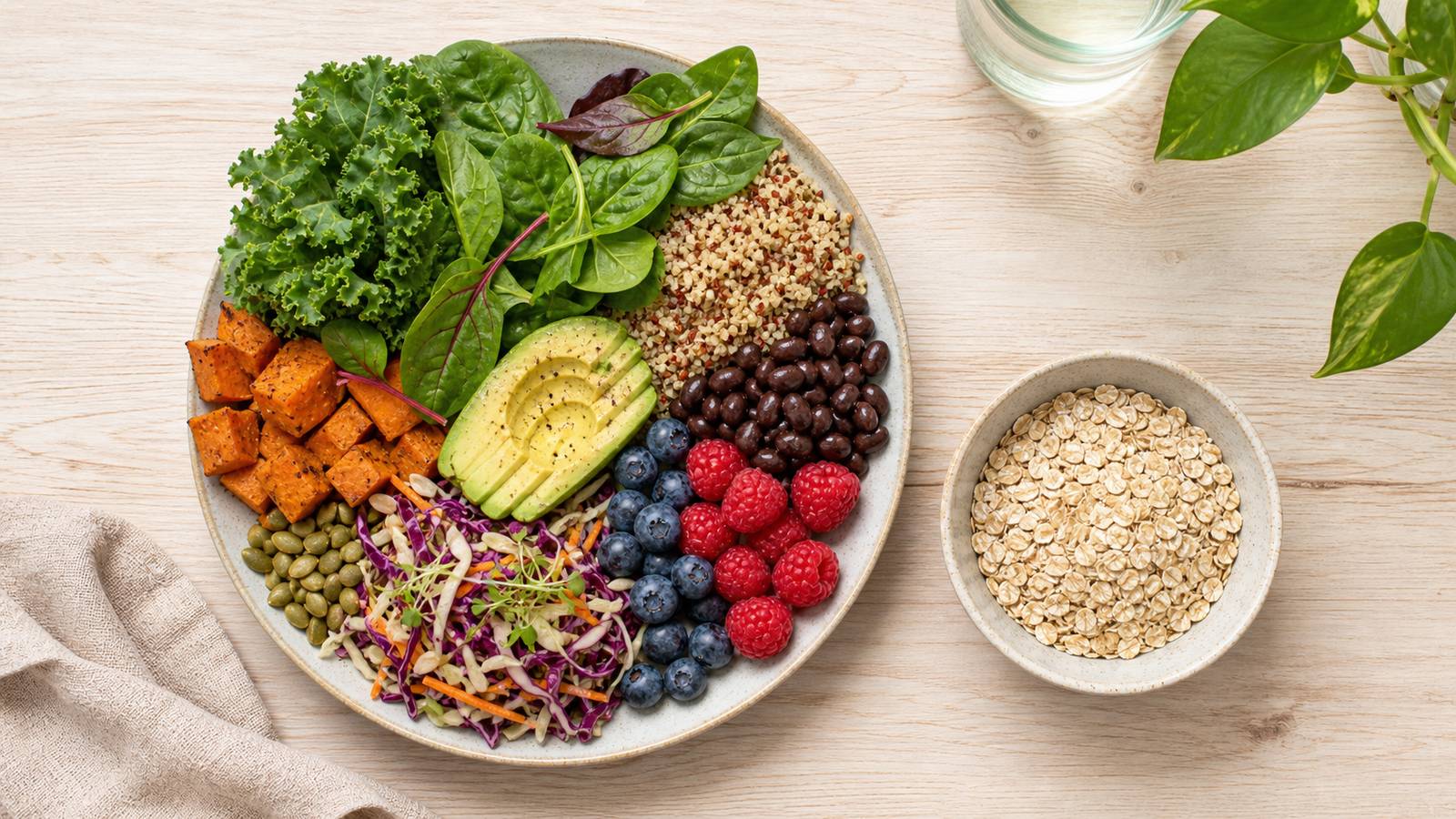
If your underlying interest is supporting steady blood sugar as part of general healthy living, the least controversial, best-evidenced levers are the everyday ones: an overall eating pattern rich in fibre and whole foods, regular movement, decent sleep, and managing stress. We cover the food side in our guide to foods that support healthy blood sugar, the gut angle in how your gut affects blood sugar, and the everyday craving-and-energy patterns in how to stop sugar cravings and why you crash after lunch. None of these is a treatment either — but as general habits they carry far less uncertainty than any single supplement.
Berberine is a legitimate subject of research, not a miracle and not a menace. What it clearly is not is a proven, do-it-yourself replacement for medical care. If you're weighing it up, treat that curiosity as a good reason to talk with a clinician who knows your history, your medications, and your goals — someone who can give you advice tailored to you rather than a generic verdict from the internet.
Curious how your habits relate to blood sugar? Take the 2-minute quiz →
