Oral Probiotics: Do They Actually Help Gums and Breath?
By the KissMyAbsClub Editorial Team
•Health Is Power Foundation
•Fact-checked against cited sources · July 2026
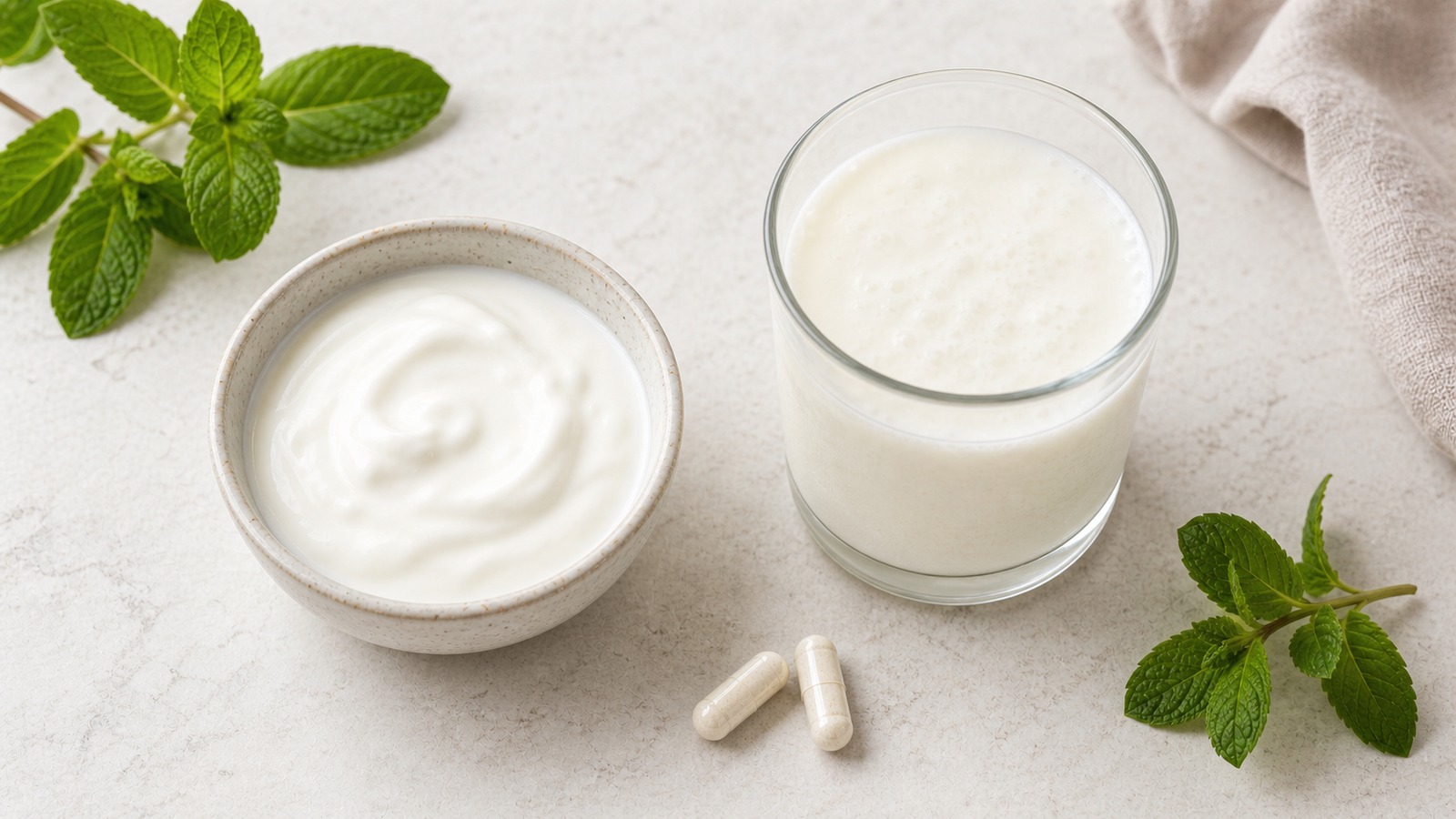
Not sure if oral probiotics are for you? Take our free 2-minute quiz for a plain-English starting point.
Take the free quiz →
The short version:
- Oral probiotics are beneficial bacteria delivered as lozenges, chewables, or drops meant to colonise the mouth, not just the gut.
- The best-studied strains are Streptococcus salivarius K12 and M18 and Lactobacillus reuteri.
- Evidence is most reasonable for fresher breath and gum comfort as an add-on; claims about whitening teeth or "curing" anything are hype.
- They are a supplement to, not a substitute for, brushing, flossing, and regular dental care.
Oral probiotics have gone from niche to everywhere — lozenges, mints, and drops all promising fresher breath and healthier gums. So do they work? The honest answer is the same one we gave in our guide to whether probiotics actually help the gut: sometimes, for specific things, if you pick the right strain — and the marketing usually runs well ahead of the science. Here's how to tell the two apart.
What "oral probiotics" actually are
A probiotic is defined as a live microorganism that, given in adequate amounts, confers a health benefit.1 The key word is strain-specific: a benefit shown for one strain doesn't automatically transfer to another, even a closely related one. Oral probiotics differ from ordinary gut probiotics in one important way — they're designed to spend time in your mouth. That's why they come as slow-dissolving lozenges or chewables rather than capsules you swallow straight down. The idea is that friendly species get a chance to settle in the oral environment and compete with more disruptive ones.
If the "balance not sterility" idea is new to you, our companion piece on the mouth microbiome explains why crowding out troublesome bacteria — rather than nuking everything — is the goal.
The strains worth knowing
A handful of strains show up again and again in the research:
- Streptococcus salivarius K12 — studied mostly for fresh breath and throat health. It naturally lives in healthy mouths and produces compounds that can suppress odour-linked bacteria.
- Streptococcus salivarius M18 — studied more for dental plaque and gum-related measures.
- Lactobacillus reuteri — investigated as a supportive add-on in studies looking at gum inflammation.
Notice these are specific strains with specific codes — not just "probiotic blend." That detail matters more than almost anything else on the label.
Where the evidence is reasonable
Two areas have the most credible support, and even there it's modest and best framed as supportive:
- Fresh breath. Everyday bad breath largely comes from bacteria on the tongue releasing sulphur compounds. Some studies of S. salivarius K12 suggest it may reduce these odour-causing compounds, at least in the short term, when used alongside good hygiene.
- Gum comfort. Certain strains have been studied as an add-on to normal cleaning and professional care, with some trials reporting improvements in gum-related measures. The signal is promising but not settled, and it's an add-on — never a replacement for the cleaning that does the heavy lifting.
Across probiotics generally, health authorities stress that effects are strain-specific and that the quality of evidence varies a lot from one use to another.2 Oral probiotics are no exception.
Wondering where to start? Take our free 2-minute quiz for a plain-English read on your oral routine.
Where it's hype
Be sceptical when you see any of these:
- "Whitens teeth" or "reverses" gum disease. These are treatment and cosmetic claims a lozenge can't credibly make.
- "Replaces brushing and flossing." No probiotic removes plaque. Mechanical cleaning is still the foundation.
- Vague labels. "Contains probiotics" with no named strain or colony count (CFU) tells you nothing about whether it matches the studied products.
- Cure-all language. Regulators, including in the US, treat these as food supplements — they are not approved to diagnose, treat, cure, or prevent disease.
Food first, as always
Before reaching for a supplement, the food-first foundations that support your gut also support a balanced mouth: a varied, fibre-rich, lower-sugar, plant-forward diet, plus fermented foods you enjoy. If you want ideas, our guide to the best foods for gut health is a good starting point, and it's the cheapest "probiotic" strategy there is. Cutting back on frequent sugar in particular does more for your oral bacteria than most products on the shelf.
How to choose, if you try one
- Look for a named strain (for example, S. salivarius K12 or M18, or L. reuteri) — not just "probiotic."
- Match the format to the mouth — lozenges or chewables that dissolve slowly, used after brushing at night.
- Check the CFU count and use-by date — live microbes decline over time.
- Keep your expectations realistic — think supportive add-on, give it a few weeks, and drop it if you notice nothing.
- Ask a professional first if you have a health condition, a weakened immune system, or persistent symptoms.
Bottom line: oral probiotics are a reasonable experiment for fresher breath or a little extra gum support, provided you choose a studied strain and keep them in their lane — on top of, never instead of, the brushing, flossing, and dental visits that actually keep your mouth healthy.3
Reviewed by the Health Is Power Foundation editorial team.
We check each article against authoritative sources before publishing and update it as the evidence changes. Last reviewed July 2026.
Frequently asked questions
- Do oral probiotics actually work?
- For some narrow uses the evidence is reasonably encouraging — particularly certain strains for fresher breath and gum comfort as an add-on to normal care. Results depend heavily on the exact strain and dose, and probiotics don't replace brushing, flossing, and seeing a dentist.
- What are the best probiotic strains for oral health?
- The most-studied are Streptococcus salivarius K12 and M18, and Lactobacillus reuteri. Benefits are strain-specific, so a product should name the exact strain rather than just say "probiotic."
- Can probiotics help bad breath?
- Some studies of strains such as S. salivarius K12 suggest they may reduce the odour-causing compounds behind everyday bad breath, at least short term. Treat it as a supportive step alongside tongue cleaning and hygiene — and see a dentist about persistent bad breath.
References
- Hill C, et al. "Expert consensus document: The ISAPP consensus statement on the scope and appropriate use of the term probiotic." Nature Reviews Gastroenterology & Hepatology, 2014. nature.com
- National Center for Complementary and Integrative Health (NCCIH). "Probiotics: What You Need To Know." nccih.nih.gov
- NHS. "Probiotics." nhs.uk
Medical disclaimer: This article is for general education only and is not medical advice, diagnosis, or treatment. Statements about foods and supplements have not been evaluated by the FDA and are not intended to diagnose, treat, cure, or prevent any disease. Consult a qualified healthcare professional about your health, especially if you have a medical condition, take medication, are pregnant, or have a weakened immune system.
Not sure what your mouth needs? Take the 2-minute quiz →
