Do Probiotics Actually Help? An Honest Look
By the KissMyAbsClub Editorial Team
•Health Is Power Foundation
•Fact-checked against cited sources · June 2026
Find your gut type in 2 minutes. Free quiz, instant results, a starter plan matched to you.
Take the free quiz →
The short version:
- Probiotics aren't magic and aren't useless — the honest answer is "it depends on the strain and the situation."
- Evidence is strongest for specific uses, like reducing antibiotic-associated diarrhoea and easing some IBS symptoms.
- Effects are strain-specific — benefits don't transfer from one product or condition to another.
- For most healthy people, food first: a varied, fibre-rich diet with some fermented foods.
Probiotics are a multi-billion-dollar category sold as a fix for almost everything, which is exactly why a sceptical, evidence-first read is worth your time. The short answer to "do they actually help?" is the least satisfying one: sometimes, for some people, for some specific things. Let's unpack what that really means so you can decide without the marketing gloss.
First, what probiotics actually are
Probiotics are live microorganisms that, in adequate amounts, may confer a health benefit.1 They're not a single thing — there are many species and strains, and a "probiotic" in one product can be completely different from another. That detail matters more than almost anything else here. (If the prebiotic/probiotic/postbiotic distinction is fuzzy, our explainer sorts it out.)
Where the evidence is genuinely reasonable
For a few specific situations, the research is fairly supportive:
- Antibiotic-associated diarrhoea. Certain probiotic strains can reduce the risk of diarrhoea linked to antibiotics in some people.2
- Some IBS symptoms. Particular strains help certain people with irritable bowel syndrome, though results vary and the "right" strain isn't one-size-fits-all.
- Specific clinical uses supervised by clinicians, which are beyond the scope of a general guide.
The common thread: benefits are strain-specific and situation-specific. A strain that helps with one issue won't necessarily help with another, and a different brand may contain entirely different microbes.1
Not sure what your gut actually needs? Skip the guesswork — take our free 2-minute quiz for a plain-language read and a plan matched to you.
Where the hype outruns the evidence
Probiotics are marketed for immunity, mood, skin, weight, and more. For most of these, the evidence in generally healthy people is limited, mixed, or preliminary. That doesn't mean "impossible" — the science is genuinely active — but it does mean you should be wary of confident promises on a label. A general daily probiotic is not a proven shortcut to better health for someone who's already well.
Food first, for most people
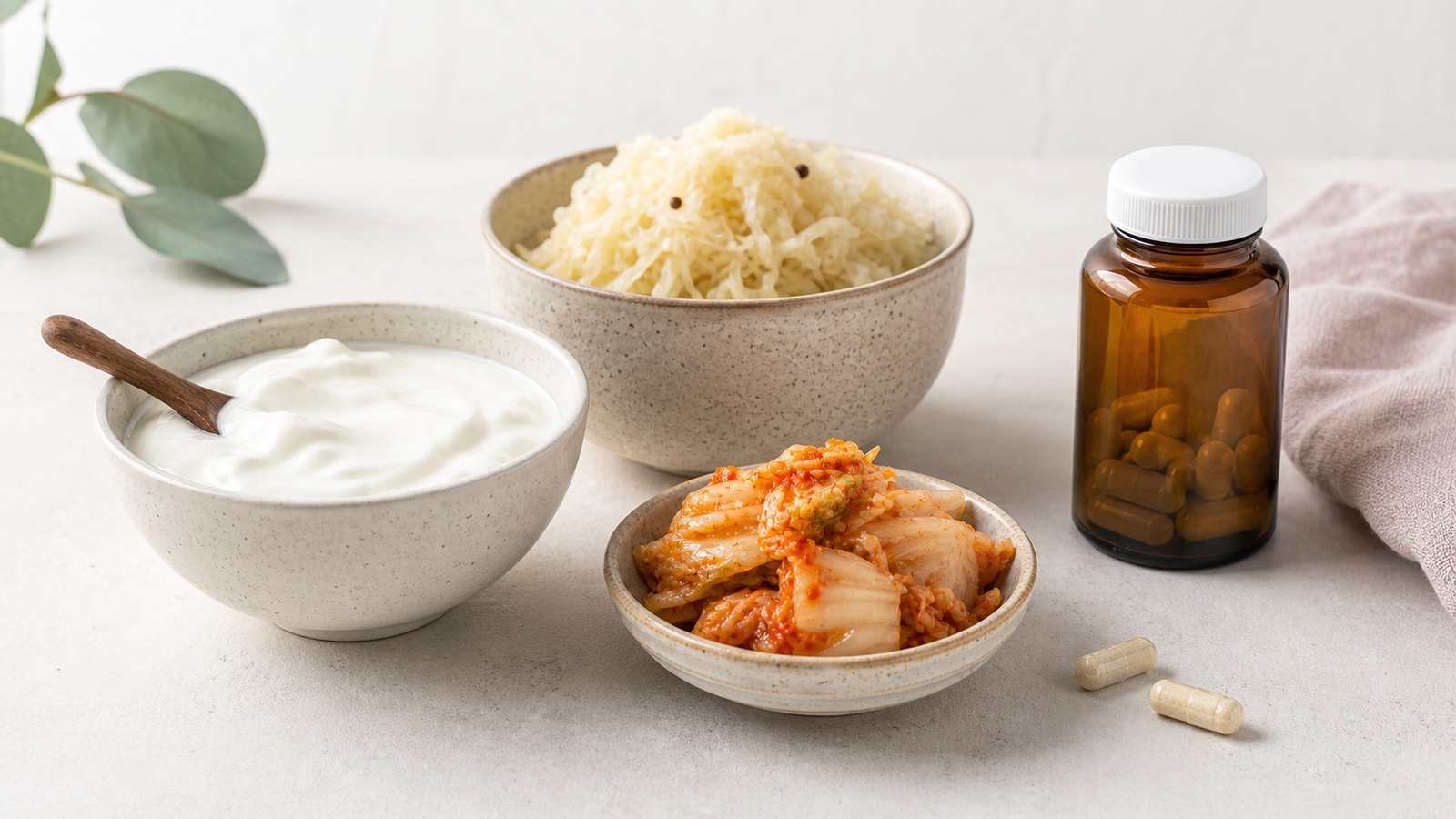
If you're healthy and curious, the most sensible starting point isn't a capsule — it's your plate. A varied, fibre-rich diet feeds the microbes you already have, and fermented foods like yogurt, kefir, sauerkraut, and kimchi add live cultures as part of normal eating.3 It's lower-cost, lower-risk, and supports the whole microbiome rather than a single strain. Our best foods for gut health guide is a good place to start.
If you do try a supplement
- Match the strain to a documented use, rather than grabbing a generic "probiotic blend."
- Give it a fair, time-limited trial and notice whether it actually changes anything for you.
- Check with a clinician first if you have a health condition, are pregnant, or have a weakened immune system — probiotics aren't automatically risk-free for everyone.
- Be label-savvy: look for the specific strain and a meaningful dose, not just buzzwords.
Reviewed by the Health Is Power Foundation editorial team.
We check each article against authoritative sources before publishing and update it as the evidence changes. Last reviewed June 2026.
Frequently asked questions
- Do probiotics actually work?
- It depends on the strain and the situation. Evidence is strongest for specific uses like reducing antibiotic-associated diarrhoea and easing some IBS symptoms. They're not a general cure-all, and benefits don't transfer automatically between products or conditions.
- Should I take a probiotic supplement?
- For most healthy people, a varied, fibre-rich diet with some fermented foods comes first. A supplement may help in specific situations — ideally chosen by strain for a documented use and discussed with a clinician.
- Are fermented foods as good as supplements?
- They're different. Fermented foods provide live microbes as part of a normal diet and suit most people; supplements deliver specific strains at measured doses, which matters for a targeted, evidence-based use.
References
- Hill C, et al. "Expert consensus document: The ISAPP consensus statement on the scope and appropriate use of the term probiotic." Nature Reviews Gastroenterology & Hepatology, 2014. nature.com
- NHS. "Probiotics." nhs.uk
- Harvard T.H. Chan School of Public Health, The Nutrition Source. "The Microbiome." nutritionsource.hsph.harvard.edu
Medical disclaimer: This article is for general education only and is not medical advice, diagnosis, or treatment. Statements about foods and supplements have not been evaluated by the FDA and are not intended to diagnose, treat, cure, or prevent any disease. Consult a qualified healthcare professional about your health, especially if you have a medical condition, take medication, are pregnant, or have a weakened immune system.
Not sure what your gut needs? Take the 2-minute quiz →
